



In the rapidly evolving world of construction, Steel Structure Warehouse Buildings have emerged as integral components in various industries. Offering a robust, flexible, and cost-effective solution, these structures cater to the needs of businesses requiring substantial storage space and operational efficiency. Understanding the significance of steel structure buildings, particularly in optimizing industrial storage and logistics, can help decision-makers choose the right solutions for their businesses. This article explores the applications, advantages, and flooring systems that work best inside steel farm buildings, while addressing common user concerns.
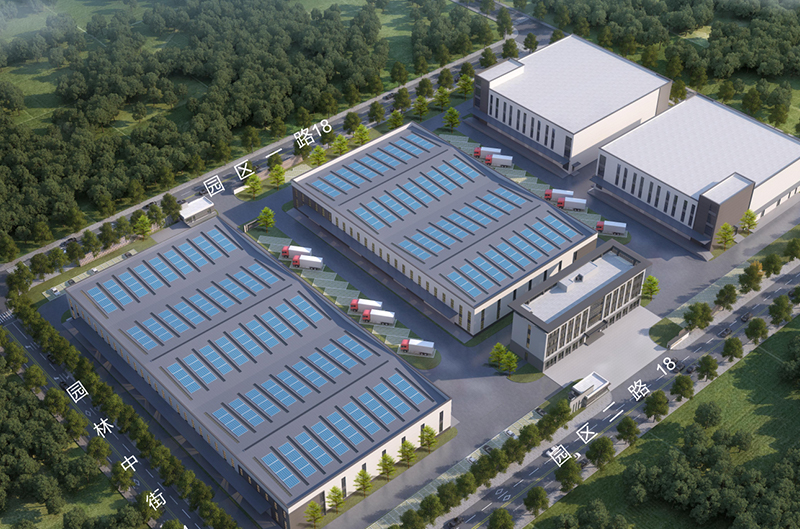
Steel structure warehouse buildings utilize steel framing as the primary support structure, ensuring strength and durability. Typically comprised of steel columns, beams, and trusses, these warehouses allow for large, open spaces that can accommodate various operational needs. The flexibility of design permits easy expansion and modification, which appeals to businesses looking to grow.
In industry terms, these buildings are often categorized under "pre-engineered buildings" (PEB), which are manufactured in advance and can be swiftly assembled on site. According to industry reports, around 65% of new warehouses constructed in the United States in 2023 are of the steel structure type, demonstrating a clear trend towards steel as the preferred material for commercial construction (source: Statista).
Steel structure warehouses are utilized across various fields, including:
Their versatility makes them suitable for businesses that demand speed and efficiency in their operations. For instance, in e-commerce, steel structure warehouses can result in inventory management systems that reduce order processing times by up to 40%, streamlining operations significantly.
The advantages of steel structure warehouse buildings are compelling:
Selecting the right flooring system within steel structure warehouse buildings is crucial for efficiency and usability. Commonly recommended flooring systems include:
These flooring systems not only support the building's structural integrity but also contribute to the overall functionality of the space.
To make the most informed decision regarding steel structure warehouse buildings, consider reviewing user guides or consulting with manufacturers such as Jin’an Group. Comprehensive resources can illuminate specific requirements tailored to your business needs.
Q: Why are steel structure warehouse buildings advantageous for storage?
A: Their cost efficiency, durability, and construction speed allow businesses to maximize their storage capabilities while minimizing expenses.
Q: Can these structures be customized?
A: Yes, steel structure warehouses can be designed to meet diverse operational needs, ensuring adaptability as your business grows.
Q: What maintenance is required for steel structure buildings?
A: Generally, maintenance involves inspecting for rust or corrosion and ensuring that the structure remains clean and functional.
Steel structure warehouse buildings hold significant advantages in various sectors, providing a combination of robustness, flexibility, and economic benefits. The right flooring systems enhance their utility, making them a transformative option for modern business needs. For further understanding or trials, consider reaching out to Jin’an Group for detailed insights and expert guidance.


Produtos Relacionados


